Hidden Cost of Flip Scoreboards | Digital Scoreboard Without Hardware
Hidden Cost of Flip Scoreboards
Digital Scoreboard Without Hardware
(Why a “cheap” tool may be the most expensive thing on your field)
If you’ve ever run a youth lacrosse game, you know the setup:
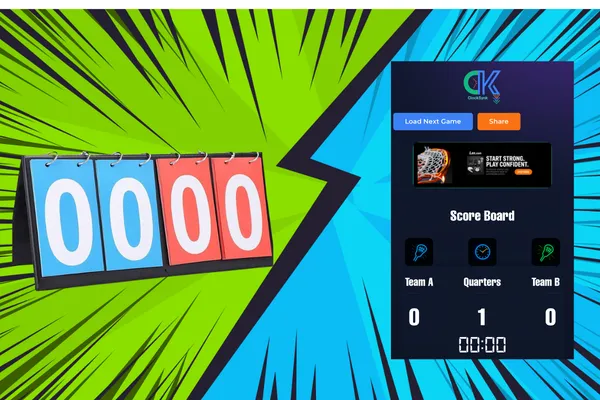
A flip scoreboard.
A folding chair.
A shaky metal frame.
A stack of Velcro numbers.
And a teenager behind the table.
It works fine—until it doesn’t.
Why Flip Scoreboards Fail Modern Tournaments
One gust of wind, one distracted flip, one misplaced card—and suddenly, the scoreboard doesn’t match the field. Coaches argue. Parents lean in. Refs scramble. And the chatter of, "Why don't we have a digital scoreboard solution for this in 2026" ensues.
From the outside, it looks like a small mistake.
But inside the pressure cooker of youth sports?
That “small” mistake can unravel everything.
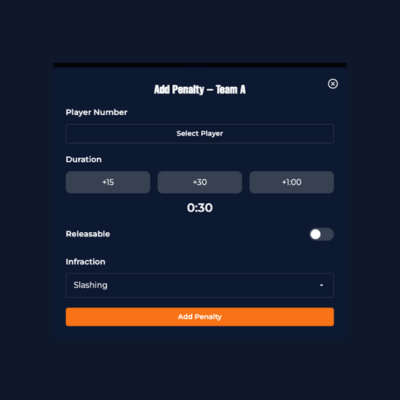
The Operational Cost of Manual Scorekeeping
Parents didn’t spend $7,000 on travel, hotels, and club fees to have a game mis-scored by a rusty frame and a kid checking Snapchat.
And referees didn’t give up their weekend to have every call second-guessed because the flip scoreboard lagged two plays behind.
But it happens—constantly.
And when it does?
The scoreboard becomes a symbol of what else might be slipping through the cracks.
The Direct Costs Nobody Calculates
Tournament directors already know the pain of broken gear.
Replacement parts: Velcro fades, numbers tear, frames bend. Every season, new sets get ordered.
Staff time: Volunteers spend hours fixing hooks, realigning cards, or explaining confusion to coaches.
Schedule chaos: One score dispute pushes everything back. That delay ripples across every field.
On paper, a flip scoreboard looks “cheap.”
In practice?
It bleeds time, trust, and professional reputation.
The Reputation Cost is Even Higher
Parents may not say anything at the game.
But the second they get in the car?
They’re texting other families.
They're posting in private team groups.
They’re remembering how “janky” the tournament felt—and planning where not to register next year.
Meanwhile, coaches are trying to explain losses they can’t verify.
Refs are frustrated.
Players are confused.
And you?
You're stuck fielding complaints you can’t disprove because the scoreboard can’t back you up.
Digital Scoreboards Without Hardware: A Modern Alternative

Lacrosse has grown up.
The equipment standards have matured.
The athletes have leveled up.
The price tag has skyrocketed.
The stakes? Higher than ever.
But many tournaments are still using the same flip scoreboards from 1997.
This isn’t nostalgia.
This isn’t about nostalgia. It’s about operational standards catching up with the scale of modern youth tournaments.
When the Scoreboard Fails, the Referee Takes the Hit
Let’s be blunt:
Most youth refs are already exhausted.
Many are young. Or volunteers. Or both.
A 2023 Referee.com study reported that 70% of new officials quit within three years, largely due to parent behavior and lack of institutional support.
What counts as “support”? A reliable scoreboard.
Because when there’s a scoreboard mistake?
The call no longer stands on its own.
And suddenly, a neutral third party is caught between:
Screaming parents
Suspicious coaches
Volunteer scorekeepers guessing
A frame of flip numbers that doesn’t reflect reality
No wonder they walk.
No wonder fewer are signing up.
No wonder games are being canceled due to referee shortages.
What a Cloud-Based Scoreboard Actually Changes
Today’s youth tournaments are serious business:
Players are being scouted
Club directors are livestreaming
College recruiters are taking notes
One mis-flipped number doesn’t just affect a single goal.
It affects tournament rankings.
Scholarship offers.
Game film.
Memories.
You’re not just flipping a “4” instead of a “5.”
You’re flipping the story.
Project Play Says It Plainly: Infrastructure Matters
The Aspen Institute’s Project Play outlines eight plays to build healthy youth sports. One of them?
“Think small.”
Build local, low-barrier infrastructure that creates safe, inclusive, and developmentally appropriate sport environments.
Scoreboards are infrastructure.
And when they fail, they don’t just confuse—they exclude.
They exclude kids who deserve accuracy.
Refs who deserve backup.
Parents who deserve trust.
And tournament directors who deserve to be taken seriously.
So What’s the Fix?
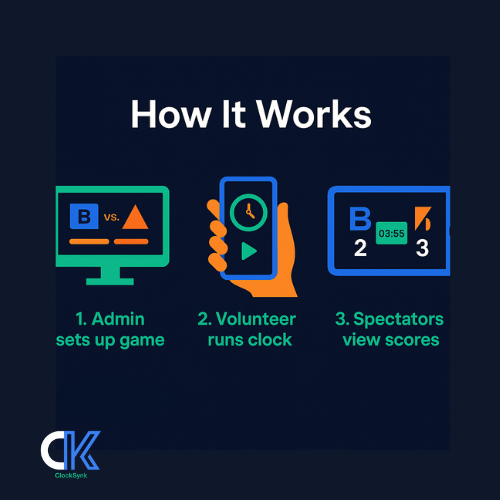
The fix isn’t complicated. But it’s urgent.
Upgrade your scoreboard.
Not next year. Not “after this season.” Now.
Digital scoreboard tools that:
Sync across devices
Show real-time updates
Can’t be flipped wrong
Are immune to wind, sun, and volunteers scrolling TikTok
They exist.
They’re affordable.
They’re game-changers.
And the Best Part?
You don’t just improve the game.
You reduce your headache.
Fewer complaints.
Fewer disputes.
Fewer field calls.
Fewer middle-of-the-game meltdowns.

More trust.
More word-of-mouth.
More return registrations.
More parents walking away saying: “That was run really well.”
Because they won’t remember the brand of the scoreboard.
They’ll remember the absence of chaos.
Final Whistle

Your tournament brand is more than your logo.
It’s what happens when the game is tied, the pressure’s on, and everyone’s watching the scoreboard.
If it’s missing, broken, or wrong?
The story collapses.
But when it’s clear?
So is everything else.
Would you be opposed to seeing how this works on one of your fields?


